


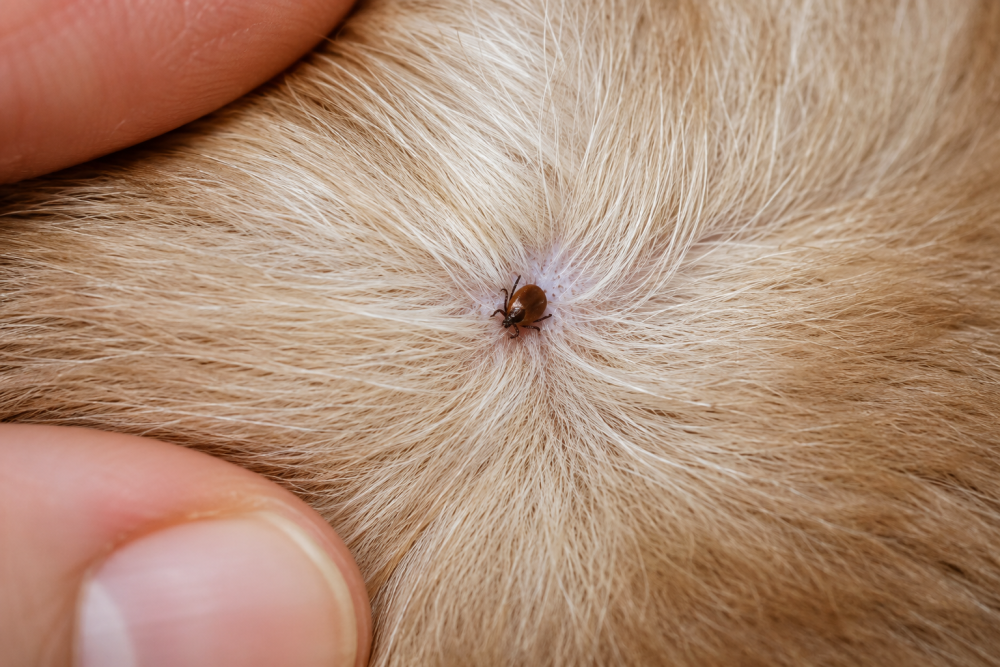
Tick Alert: Advice for Dog Owners Visiting Cornwall
If you’ve been hearing that 2026 could be one of the worst years for ticks in recent memory, there’s good reason for the concern. Across the UK, experts are reporting increased tick activity, helped by a combination of “milder winters, warmer springs and favourable conditions for wildlife that ticks feed on”. Ticks are becoming active earlier in the year and staying active for longer.
For dog owners planning a holiday in Cornwall, there’s no need to avoid the great outdoors — just take a few sensible precautions.
Why are there so many ticks this year?
Ticks thrive in mild, damp conditions, and recent weather patterns have given them an ideal environment. Warmer winters mean more ticks survive into spring, while longer growing seasons provide plenty of habitat in long grass, woodland and heathland. Climate change is also helping ticks expand into new areas and remain active for more of the year.
Where are ticks found in Cornwall?
Ticks are most commonly found in:
- Woodland paths
- Coastal heathland
- Moorland
- Long grass
- Countryside walks
That obviously covers a lot of Helsbury Park but it doesn’t mean you should avoid these places — just be tick aware. We do keep our tracks mown to enable to walk in relative comfort. Just watch out if your dog is off the lead in long grass.
Top tips for protecting your dog
- Use a vet-approved tick treatment before your holiday.
- Stick to paths where possible and avoid letting dogs disappear into dense undergrowth.
- Check your dog thoroughly after walks, paying particular attention to:
- Around the ears
- Under the collar
- Between the toes
- Under the legs
- Around the tail
- Carry a tick removal tool in your walking bag.
- Wash and inspect bedding if your dog has been exploring tick-prone areas.
What if you find a tick?
Don’t panic. Most ticks don’t cause problems.
- Use a proper tick remover or tick hook.
- Grip the tick close to the skin and gently twist it out.
- Avoid squeezing, burning or covering it with substances such as petroleum jelly.
- Clean the area afterwards.
Keep an eye on your dog over the following days. If they seem unusually tired, develop a fever, become lame or show signs of illness, contact your vet for advice. Lyme disease remains relatively uncommon, but prompt treatment is important if symptoms develop.
Enjoy Cornwall — Just Be Tick Aware
Cornwall’s beaches, coast paths and countryside remain some of the best places in the UK to explore with a dog. A quick tick check after each walk takes only a minute and can help ensure your holiday memories are of spectacular views and sandy paws, rather than an unexpected trip to the vet.